
Belmont County ownership records provide official information about property deed holders and the history of land transfers. These records list current owners, previous deed holders, parcel numbers, and legal property descriptions, offering a reliable way to verify ownership or track property changes over time. Many residents, real estate professionals, and researchers use these records to check property transfers, title history, and ownership timelines.
Ownership history in Belmont County includes sales, transfers, and inheritance records that show who has held a property across different years. Detailed parcel information, such as lot size, boundaries, and legal identifiers, is included alongside deed documents and recorded transactions. Accessing these records ensures accuracy in property assessments, supports real estate decisions, and helps resolve disputes over ownership. Online tools and the county auditor’s database make it easier to search property records by owner name or parcel ID, giving a clear view of all past and present property holders.
What Are Property Ownership Records in Belmont County?
Property ownership records in Belmont County are official documents that show who legally owns a parcel of land or property. These records provide detailed information about property ownership, including previous owners, property deeds, and tax history.
Belmont County maintains these records to ensure transparency and accuracy in property transactions. Owner records in Belmont County are part of the public property records system and are often used by buyers, sellers, researchers, and government agencies. These documents confirm legal ownership and help resolve disputes, verify boundaries, and track changes in property rights.
Details Found in Belmont County Property Records
Property ownership records usually include:
- Owner Information: Current and past property owners’ names.
- Parcel Ownership: Parcel numbers assigned for tax and identification purposes.
- Property Deeds: Legal documents showing the transfer of ownership.
- Property Description: Land size, location, and boundaries.
- Tax and Assessment Data: Historical and current tax details.
These records are considered public property records, meaning most of the information is accessible to anyone for official or personal use. They also play a role in real estate transactions, estate planning, and legal matters involving property rights.
How to Search for Belmont County Ownership Records
Belmont County property ownership records can be found quickly using the official county tools on the Auditor’s website. Whether someone has an owner name or a parcel number, the county provides online search options that return detailed records.
Search by Owner Name
To find ownership details when the owner’s name is known, use the official property search tool on the Belmont County Auditor’s website. The search form allows input of the owner’s first and last name and returns matching property listings with associated details such as parcel identification, address, and tax data. This type of lookup is especially useful when the exact parcel number is not on hand, but the owner’s name is available.
Steps for owner name search:
- Go to the Belmont County Auditor Real Estate Search
- Name page: https://belmontcountyauditor.org/Search/Name
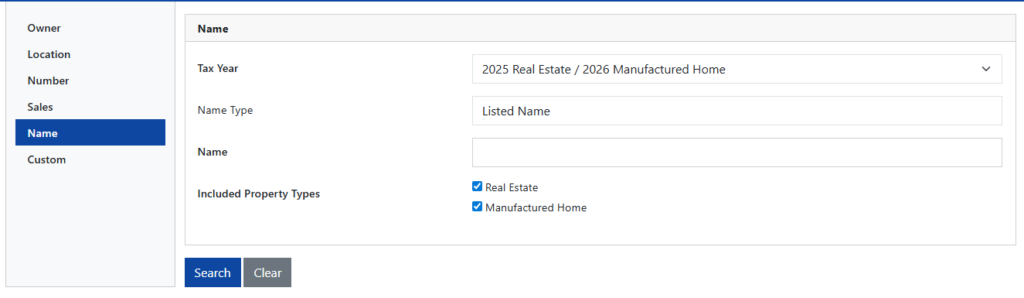
- Select the tax year if required.
- Enter the owner’s full name into the fields provided.
- View search results, which often include title search links, parcel number, and property attributes.
This method also helps confirm if a person owns multiple parcels in the county. In many cases, the results list the current and past owner names along with the property location, giving users a clear picture of ownership history.
Search by Parcel Number
A parcel number search is the most direct way to locate property details in Belmont County. Every property has a unique parcel ID that brings up precise results when entered correctly in the search tool. Using this number cuts out guesswork and ensures users retrieve the exact parcel ownership information quickly.
How to use a parcel number:
- Navigate to the Belmont County Auditor Real Estate Search
- Location page: https://belmontcountyauditor.org/Search/Location
- Enter the parcel number into the designated field.
- Click search to view matching property records.
Once the parcel is found, the system typically shows ownership details, assessed value, legal description, and tax information. Parcel number searches are ideal for professionals who already have the property ID, like title researchers, real estate agents, or attorneys.
Benefits of searching by parcel number:
- Direct access to specific property records.
- No need to guess spelling or owner details.
- Usually returns more complete records faster than name-based searches.
Keep this number handy if comparing tax history or confirming property records search details across documents.
Using Online Public Databases
Belmont County’s online databases offer a central place to run quick searches for property and ownership info. The county Auditor’s public database supports searches by owner name, parcel number, or address. These tools are free and available at any time on the official site, so users can locate parcel identification records without visiting the courthouse.
Steps to use online public databases:
- Visit the main search page on the Belmont County Auditor’s site: https://belmontcountyauditor.org/Search
- Choose a search method: owner name, parcel number, or street address.
- Input the known information into the search field and click “Search.”
- Review results for ownership, legal data, tax assessments, and history.
Online public databases also allow exporting or printing records for use in reports or official filings. In addition to the Auditor’s tools, some third‑party property record sites provide broader search interfaces, but the county’s official database is the most authoritative source for Belmont County property data.
Types of Property Ownership Records You Can Access
Belmont County property ownership records include various official documents that show who owns land and buildings. These records are public and provide detailed information on deeds, historical ownership, and property transfers.
Deeds and Titles
Deeds and titles are the primary records for identifying property ownership. A deed is a legal document that confirms who holds property. It includes the deed holder’s name, the property description, and any relevant legal restrictions.
Common types include:
- Warranty deeds: Guarantee the owner holds a clear title to the property.
- Quitclaim deeds: Transfer ownership without guarantees of title.
- Grant deeds: Indicate a transfer of ownership with some legal assurances.
These records help verify current ownership and are essential for legal, tax, or real estate purposes. They also show liens, easements, or other claims affecting the property.
Historical Ownership
Historical ownership records track how a property has changed hands over time. They provide insight into ownership history, revealing previous owners and past property uses.
This information can be useful for:
- Researching real estate ownership data for investment or appraisal.
- Understanding property lineage for estate planning.
- Identifying patterns in neighborhood development.
Many counties maintain archives of old deeds, tax records, and maps. These documents often go back decades, giving a full picture of historical property ownership.
Property Transfer Records
Property transfer records document the legal transfer of property from one person or entity to another. They are closely linked to property deeds but focus specifically on the transaction details.
Points include:
- Date of transfer: Shows when the property changed hands.
- Transfer type: Sale, inheritance, or gift.
- Parties involved: Names of buyers and sellers.
Accessing these records allows users to track real estate ownership data over time and verify the legitimacy of transactions. They also provide context for market trends and property values.
The Deeds and Titles
A deed is the official document that transfers property ownership, while a title is the legal recognition of who owns the property. In Belmont County, a property owner may hold the deed, but the title reflects the full legal history and rights associated with that land.
What Is a Deed?
A deed is a written record showing the transfer of property from one party to another. It includes details such as the names of the buyer and seller, the legal property description, and any conditions of the sale. In Belmont County, deeds are recorded at the Belmont County Recorder’s Office, ensuring public access to these transactions.
Points about deeds:
- Deed holder – the person or entity receiving the property.
- Property description – specifies the land boundaries and parcel number.
- Recording date – the date the deed was officially filed with the county.
For example, if John Smith buys a house in St. Clairsville, the deed shows his name as the buyer and lists the parcel number assigned by Belmont County.
What Is a Title?
A title is the legal concept that proves ownership rights over a property. It tracks the property’s title history, including past owners, liens, or legal claims. Unlike the deed, the title does not need to be physically held by the owner; instead, it represents legal ownership recognized by law.
In practice:
- A title search in Belmont County might reveal that the property was once owned by multiple parties or had a mortgage lien.
- Property title history ensures buyers know any claims against the property before purchase.
- The title confirms ownership rights, like the ability to sell or mortgage the property.
Ownership Explained
Ownership combines holding the deed and having the legal title. A property owner in Belmont County must have both for full control. For instance, a homeowner with the deed recorded in their name and a clear title can sell the property or transfer it to heirs without disputes.
Summary Table – Deed vs. Title vs. Ownership
| Term | Description | Belmont County Example |
|---|---|---|
| Deed | Legal document transferring property to a new owner | John Smith buys a house; deed filed at Recorder’s Office |
| Title | Proof of legal ownership and history of property rights | Shows past owners, liens, or claims on parcel 23-045 |
| Ownership | Smith holds the deed and title, giving full property rights | Smith holds deed and title, giving full property rights |
By keeping deeds recorded and monitoring the property title history, Belmont County residents can confirm ownership, track legal property changes, and protect their property rights.
Historical Ownership and Property Transfers
Tracking historical ownership and property transfers in Belmont County reveals who has held a property over time and how it changed hands. These records are essential for legal verification, tax assessment, and property valuation. Historical ownership records include the names of past owners, the dates of transactions, and any legal instruments used to transfer the property. Property transfer records, often recorded at the county auditor or recorder’s office, show deeds, mortgages, liens, and sales. By reviewing these documents, a researcher can see patterns of ownership, confirm titles, and identify any potential disputes.
How to Track Ownership Changes Over Time
Tracking ownership history involves consulting several official sources:
- Belmont County Auditor Records: Lists current and previous property owners, parcel numbers, and property values.
- Recorder’s Office Deeds: Includes warranty deeds, quitclaim deeds, and conveyances that officially transfer ownership.
- Tax Records: Show ownership for property tax purposes and often include historical tax assessments.
- Historical Plat Maps: Visual references for land divisions and ownership changes over decades.
Users can create a timeline of ownership by combining these sources. For example, a property purchased in 1985 may have changed hands three times, with each transaction documented through deeds and tax filings. This timeline helps confirm clear ownership and detect any overlapping claims or errors.
Importance for Legal, Tax, and Valuation Purposes
Historical ownership and transfer records serve several critical purposes:
- Legal Verification: Lawyers, title companies, and buyers rely on these records to ensure a property’s title is clear.
- Tax Assessment: Accurate historical ownership helps assess property taxes correctly and resolve disputes.
- Property Valuation: Appraisers examine past sales and transfers to determine fair market value.
- Estate Planning and Inheritance: Knowing previous ownership ensures proper transfer of property within families or estates.
For instance, if a property is being sold, confirming its chain of ownership prevents future claims. Similarly, understanding past sales prices supports accurate tax and appraisal calculations.
Accessing Belmont County Public Property Records Online
Belmont County residents and professionals can view property ownership records online quickly through official county resources. By using the county’s digital tools, anyone can search for parcel information, ownership history, and public property records efficiently. Accessing Belmont County ownership records starts with the county auditor’s online portal. This platform provides detailed information about land parcels, including legal descriptions, assessed values, and current ownership. Users can search using a parcel identification number or property address, ensuring accurate results. The process is straightforward and does not require visiting county offices in person.
Steps: Instructions to Search Records
- Visit the Belmont County Auditor’s Website: Open the official county auditor portal dedicated to property information.
- Select the Property Search Option: Look for links labeled “Property Records” or “Parcel Search.”
- Enter Property Details: Input either the parcel ID, owner’s name, or street address. Precise information improves search results.
- Review the Results: The system displays public property records, including ownership history, property type, and tax information.
- Access Additional Documents: Some records link to deeds, maps, or historical assessments, which can be downloaded in PDF format.
Using this method ensures users find Belmont County ownership records accurately and efficiently. The online portal also allows printing records for official or personal use.
Common Issues and How to Resolve Them
Property ownership records in Belmont County can sometimes contain errors, such as incorrect owner names or missing parcel numbers. These issues can create confusion for residents, buyers, and legal professionals trying to verify ownership or deed information.
Frequent Problems with Ownership Records
Users often encounter wrong owner information in the county’s property records. This may happen due to clerical mistakes, outdated filings, or name changes not yet reflected in the system. Similarly, missing parcel numbers or incomplete property descriptions can make it difficult to trace a property’s history or verify the deed holder.
Other common issues include:
- Conflicting ownership history between different documents.
- Duplicate records showing multiple owners for the same parcel.
- Outdated property tax or assessment data, which can affect legal or financial transactions.
Steps to Resolve Ownership Errors
Correcting these issues typically involves contacting the Belmont County Auditor or Recorder’s Office with documentation that proves the correct information. Practical steps include:
- Verify the official record: Compare the county’s records with the deed, tax statements, or mortgage documents.
- Prepare supporting documents: Include a copy of the deed, identification, and any legal forms proving ownership or correcting errors.
- Submit a formal request: File a request for correction or update at the Auditor or Recorder’s office.
- Follow up: Track the request and obtain confirmation once the record is updated.
For missing parcel numbers, users can cross-reference other property details like legal description, lot number, or address to locate the correct entry. Keeping a clear ownership history is essential for legal transactions, title searches, or estate planning.
(FAQs) About Property Ownership Records
Belmont County owner records allow anyone to identify property owners, check property details, and track legal documents. Residents can search records online or at the county office to get accurate ownership information. Most searches can be done using a parcel number, property address, or owner name. The database shows current owner details, property type, and assessed value. Using official sources ensures reliable information for legal, personal, or professional use.
How Do I Find a Property Owner in Belmont County?
To find a property owner, users can use the Belmont County Auditor’s online search or visit the office in person. Entering the parcel number, property address, or owner name retrieves current ownership information. The results usually include the owner’s name, property value, and type of land. This process is helpful for buyers, researchers, or legal verification. Accurate records reduce confusion and make property inquiries straightforward.
Can I View Historical Transfers of Property?
Historical property transfers are available through Belmont County’s records, showing previous owners and transactions. The Auditor’s online database may include some past transfers, while the Recorder’s office holds full deed and mortgage records. Older documents might require an in-person visit for review or certified copies. Tracking these records helps verify ownership changes, understand property history, and confirm legal documentation. Land deed history is useful for research or legal purposes.
Are Belmont County Property Records Free to Access?
Basic property ownership information is free on the Belmont County Auditor website. Requesting certified copies, detailed reports, or older documents may involve small fees per page. Online searches are cost-free, but official documents usually cost $1–$5 per page. Historical record retrieval may vary depending on format or age. Free access allows general information gathering, while paid copies provide official proof for legal or professional use.
How Often Are Belmont County Property Records Updated?
Belmont County property records are updated regularly to reflect new ownership, sales, and tax assessments. The Auditor’s office updates the online database daily or weekly, depending on the type of record. This ensures that users can see recent transfers, property valuations, and owner changes. Checking records often helps prevent errors when buying, selling, or researching property. Accurate, up-to-date information supports both personal and professional property decisions.
Can I Search Belmont County Properties by Parcel Number?
Yes, using a parcel number is the most precise way to search owner records in Belmont County. Entering the parcel number in the Auditor’s online search returns current owner information, property size, and assessed value quickly. This method reduces confusion compared to searching by name or address alone. Parcel-based searches are especially useful for real estate agents, researchers, and legal professionals. They ensure fast, accurate access to property ownership details.