
The Belmont County Property Tax Estimator allows homeowners and buyers to calculate an approximate property tax quickly. By entering the property’s assessed value and local tax rates, users receive a precise tax estimate for budgeting or planning purposes. This tool reflects Belmont County’s current rates for schools, municipalities, and special districts, giving a clear picture of annual tax responsibilities. A reliable property value estimate ensures that users can anticipate changes in taxes when property values rise or local levies adjust.
Estimating property taxes in Belmont County helps residents make informed financial decisions before purchasing or refinancing a home. The calculator simplifies complex calculations by converting assessed values into an actionable tax amount, accounting for local millage and district levies. It also enables comparisons between different properties and neighborhoods, supporting better investment choices. With updated assessed values, the estimator provides accurate projections that help plan for yearly tax obligations, avoid surprises, and manage expenses effectively.
What are the Belmont County Property Taxes Estimator?
Belmont County property taxes are calculated based on a property’s assessed value, which is a fraction of its market value. These taxes include county, school, and local levies, all combined to form the total annual bill. In Belmont County, property tax calculation begins with the county tax assessment, which determines the assessed value of a home or land. The assessed value is usually a percentage of the market value, reflecting what the property would likely sell for. This assessment is then multiplied by the relevant millage rates—rates set by the county, local governments, and school districts—to produce the total property tax owed.
Components of Property Taxes
Property taxes in Belmont County are divided into three main components:
- County Taxes: Fund local county services such as law enforcement, road maintenance, and administrative operations.
- School Taxes: Support public education, covering teacher salaries, school facilities, and district programs.
- Local Taxes: Include city or township taxes for municipal services like fire departments, parks, and local infrastructure.
For homeowners, this breakdown shows how much of their annual payment supports each sector. A property tax breakdown table can help illustrate where the money goes:
| Component | Purpose |
|---|---|
| County Tax | Law enforcement, roads, admin |
| School Tax | Education, school operations |
| Local Tax | Fire, parks, municipal services |
Assessed vs. Market Value
The assessed value differs from the market value. Market value represents the price a property could fetch in an open market, while assessed value is typically a fixed percentage used for tax purposes. In Belmont County, the valuation tool applied by the Auditor ensures assessments are fair and updated regularly. Homeowners can estimate their property taxes by multiplying the assessed value by the combined millage rate for county, school, and local taxes. This method provides a practical way to plan annual tax payments without relying on the raw market price alone.
How Property Tax Estimates Work
Calculating property taxes involves several steps:
- Determine the market value of the property.
- Apply the assessment percentage to find the assessed value.
- Multiply the assessed value by the total millage rate (county + school + local).
- Review the property tax breakdown to see each portion of the tax.
This approach helps homeowners compare tax obligations across neighborhoods and understand how each levy contributes to the final bill. Tools available on Belmont County’s official platforms or third-party valuation tools can simplify this calculation.
How to Use the Belmont County Tax Estimator
The Belmont County Tax Estimator provides a fast way to https://belmontcountyauditor.org/Search/Name calculate property taxes using your property’s details and local tax rates. Users can get a clear tax estimate by entering information such as parcel numbers and assessed values.
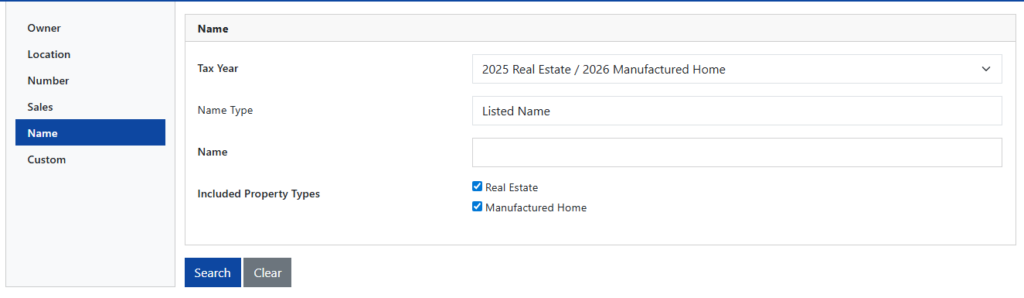
Collect Property Details
Before using the estimator, gather key property information:
- Parcel Number: This unique identifier links your property to county records.
- Assessed Value: The value assigned by the Belmont County Auditor determines the base for tax calculation.
- Property Type: Residential, commercial, or agricultural properties may have different tax rates.
Having accurate data ensures the resulting property value estimate is precise. Users can check their latest tax bill or the Belmont County Auditor website for these details.
Identify Applicable Tax Rates
Belmont County property taxes combine several rates from local entities, including schools, municipalities, and special districts. Users should note:
- County Rate: Base rate applied to all properties.
- School District Rate: Varies depending on the district.
- Special Assessments: Optional local levies for services or improvements.
Listing all relevant rates ensures the property tax calculator can produce a more accurate estimate.
Input Data into the Tax Calculator
With details and rates on hand, users can:
- Open the Belmont County property tax calculator online.
- Enter the parcel number and assessed value in the designated fields.
- Select the property type and relevant tax districts.
- Click Calculate to view the tax estimate.
For those who prefer manual calculations, the formula is:
- Estimated Tax = Assessed Value × Total Tax Rate
For example, a property with an assessed value of $150,000 and a combined tax rate of 2.5% would have an annual tax of $3,750. Including a small screenshot or table showing the input fields and resulting figures can improve clarity for users.
Review and Adjust Estimates
Once calculated, the estimator shows:
- Total Tax Amount: The annual property tax.
- Breakdown by Taxing District: How much goes to the county, schools, and special assessments.
- Optional Adjustments: Users can test changes in assessed value or exemptions to see updated estimates.
Using the estimator frequently can help homeowners plan finances, compare properties, or check potential changes before official tax bills are issued.
Steps Example Calculation
Estimating a Belmont County property tax can be done accurately using the county’s official rates and your property’s assessed value. A clear step-by-step approach shows exactly how county, school, and special taxes combine to form the total tax bill. The breakdown helps homeowners plan for payments and avoid surprises. Below is a realistic example using a typical Belmont County residential property, with tables and calculations for clarity. The example also highlights how a property valuation tool can simplify the process.
Determine the Assessed Property Value
The first step is identifying the property’s assessed value, which is generally 35% of the market value in Ohio. For this example:
- Market Value: $200,000
- Assessed Value = 35% × $200,000 = $70,000
A property valuation tool can quickly provide this figure by entering the property address and market data, ensuring accurate calculations.
Apply the County Tax Rate
Belmont County charges a county property tax based on a millage rate. For this example, the county rate is 12.0 mills (or $12 per $1,000 of assessed value).
County Tax Calculation:
| Assessed Value | Millage Rate | Tax Amount |
|---|---|---|
| $70,000 | 12.0 | $840 |
Here, the county tax alone is $840 annually. Using a millage-based system ensures taxes scale with property value.
Include the School District Tax
Next, the school district tax applies. Belmont County school taxes vary, but a typical rate is 55 mills.
School Tax Calculation:
| Assessed Value | Millage Rate | Tax Amount |
|---|---|---|
| $70,000 | 55.0 | $3,850 |
This portion supports local schools and is often the largest part of the property tax bill.
Add Other Special Assessments
Properties may also have special assessments for services like fire protection, libraries, or parks. Assume a total of 5 mills for these services.
Special Assessment Calculation:
| Assessed Value | Millage Rate | Tax Amount |
|---|---|---|
| $70,000 | 5.0 | $350 |
These smaller charges ensure local services are maintained without relying on general county or school funds.
Combine All Taxes for Total
Finally, the total property tax sums all components:
| Tax Type | Tax Amount |
|---|---|
| County Tax | $840 |
| School District Tax | $3,850 |
| Special Assessments | $350 |
| Total Property Tax | $5,040 |
Using a Property Valuation Tool
A Belmont County property tax estimator can streamline this calculation:
- Enter the property address.
- Review the estimated market and assessed values.
- View a breakdown of county, school, and special taxes.
- Adjust for any exemptions, like homestead or senior credits.
This approach avoids manual calculations and allows property owners to see how changes in value or tax rates affect their bills.
Factors That Affect Your Property Tax Estimate
Property tax estimates in Belmont County depend primarily on the value of the property and the specific exemptions or adjustments applied. Changes in property value, county tax assessments, and available exemptions all influence the final tax amount.
Property Value Changes
The assessed value of a property is the main factor in determining its tax bill. Higher property values generally lead to higher taxes, while declines in value can lower the tax estimate. Belmont County uses the county tax assessment to calculate the taxable value, which can fluctuate over time based on market trends, improvements, or deterioration of the property. Homeowners should consider:
- Recent sales of comparable homes: This can affect assessed value during reappraisals.
- Renovations or additions: New construction often increases the property tax estimate.
- Property condition: Maintenance or neglect can influence valuation adjustments.
Keeping track of property value trends helps homeowners anticipate changes in their annual property tax breakdown.
Reappraisal and Valuation Adjustments
Belmont County periodically reappraises properties to ensure fair taxation. These reappraisals can adjust values upward or downward depending on the local real estate market.
Points include:
- Reappraisals usually occur every few years and apply to all county properties.
- Adjustments reflect both general market conditions and property-specific factors.
- Increases in assessed value directly raise the estimated tax, while decreases can reduce it.
Regular revaluation ensures taxes are based on current market conditions, making the tax estimate more accurate and equitable across the county.
Exemptions That Reduce Taxes
Exemptions can significantly lower a homeowner’s property tax. Belmont County offers several common exemptions:
- Homestead Exemption: Reduces taxes for primary residents.
- Senior Citizen Exemption: Available to residents meeting age and income criteria.
- Agricultural Exemption: Applies to farmland used for farming purposes.
Each exemption directly affects the property tax breakdown, lowering the taxable amount. Combining multiple exemptions may result in substantial savings. Homeowners should check eligibility each year since rules and income limits can change.
(FAQ) About Property Tax Estimator
Homeowners in Belmont County often have questions about property taxes, assessments, and how to estimate their bills. This section answers the most common queries and helps residents understand tax estimates and county tax assessments.
How often are property taxes reassessed in Belmont County?
Property taxes in Belmont County are reassessed every three years to keep the property value estimate current. The Belmont County Auditor reviews homes, land, and any new construction or improvements during this process. Adjustments to county tax assessment are made based on market trends, ensuring fair taxation. Homeowners receive notices for any changes, which helps them plan their budget. Monitoring reassessment schedules allows residents to anticipate updates in their tax estimate.
What exemptions can lower my property tax?
Belmont County provides exemptions that can reduce a homeowner’s tax estimate, including homestead, veteran, and disability exemptions. The homestead exemption lowers taxable value for primary residences, while veterans may qualify for additional reductions. Residents with permanent disabilities can apply for exemptions that reduce their property taxes. Applying for these exemptions ensures the county tax assessment reflects any eligible reductions. These measures can save money and keep the property value estimate more accurate.
Can I appeal my assessment?
Yes, residents can appeal their assessment through the Belmont County Board of Revision if they believe it is too high. Filing an appeal involves submitting evidence such as appraisals, recent sales, or repair records to support a lower property value estimate. The Board reviews the case and can adjust the county tax assessment accordingly. Appeals help property owners correct overvalued assessments and reduce their tax estimate. Attending the hearing and providing clear documentation increases the chance of a successful outcome.
How accurate are tax estimators?
Tax estimators provide a close projection but are not official figures. They rely on current property value estimates, local tax rates, and exemptions to produce a likely tax estimate. Accuracy depends on updated data from the Belmont County Auditor and any pending reassessments. Estimators are useful for planning, but the final bill may differ due to changes in assessments or new levies. Cross-checking multiple sources ensures the county tax assessment aligns with reality.
Are there any tips to improve my property tax estimate?
Homeowners can improve their property value estimate by keeping records of renovations and verifying that all exemptions are applied. Comparing assessments to similar Belmont County properties helps spot discrepancies. Reviewing recent market trends provides insight into realistic property valuations. Maintaining accurate records ensures the county tax assessment matches actual property conditions. These steps keep the tax estimate closer to the true expected bill and reduce surprises at payment time.