
Property transfer records in Belmont County document every official change in ownership of real estate. They provide detailed information about Belmont County property transfers, including the buyer and seller names, transfer dates, transaction type, and legal property description. These records verify ownership changes and property title changes, helping ensure transactions are secure and legally recognised. Anyone involved in real estate—from homeowners and agents to investors—relies on this information to confirm property history and prevent disputes.
Accessing these records reveals patterns in local property sales and provides transparency for real estate transfers in Belmont County. Each transfer shows the legal progression of ownership, highlighting title changes that may affect resale or financing. Professionals and researchers use the data to track market trends, identify frequent property transactions, and understand local investment opportunities. With clear records of every ownership change, Belmont County ensures confidence in property dealings and helps maintain the integrity of the real estate market.
The Property Transfers in Belmont County
Property transfers in Belmont County occur whenever ownership of real estate moves from one party to another. These transfers are officially documented to record changes in deed ownership and ensure legal recognition. A property transfer legally refers to the act of conveying ownership rights from one person or entity to another. In Belmont County, this process is recorded in the conveyance records, which track updates in real estate ownership. When a property changes hands, the county updates its records to reflect the new owner and maintains a history of prior owners for reference.
How Property Ownership Changes
The process begins with a legal agreement, usually in the form of a deed, which must be signed, notarised, and submitted to the Belmont County Recorder’s Office. The deed provides a detailed description of the property, the names of the seller and buyer, and the type of transfer. Once recorded, the ownership officially changes, and the new owner receives legal recognition for the property.
Several common scenarios lead to property transfers in Belmont County:
- Sale: Property changes hands when a buyer purchases it from a seller.
- Inheritance: Property is passed on to heirs following the death of the owner.
- Gift: Owners may transfer property voluntarily without a sale.
- Business transactions: Property may move due to mergers, acquisitions, or company sales.
Recording these transfers helps prevent disputes, ensures tax compliance, and keeps the chain of ownership clear. Many residents also refer to real estate ownership updates when researching property history or verifying title information.
How to Access Belmont County Property Transfer Records
Belmont County property transfer records are available through the official county systems, both online and in person. Whether someone wants to do a quick property deed lookup or review a bundle of historical property transactions, the county’s auditor and recorder resources are where these records are stored.
Online Search — Quick and Free
The easiest place to start is the official property database provided by the Belmont County Auditor. This tool is free to the public and lets users search the real estate transfers in Belmont County by several key details. You can use it without visiting the county office:
- Go to the auditor’s search page: Use this direct property search tool: https://belmontcountyauditor.org/Search
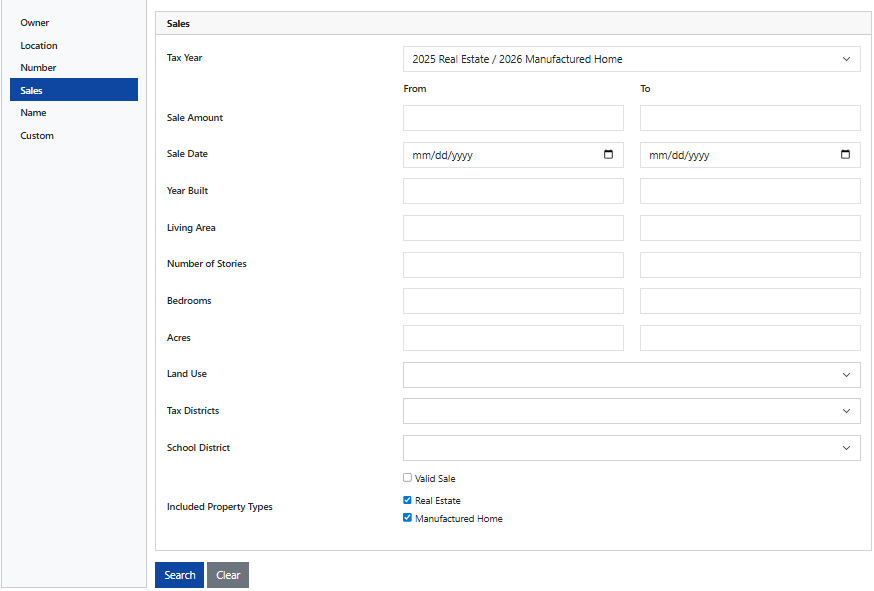
- Enter search details:
- Owner Name: Type the full first and last name to find all properties linked to that person
- Parcel Number (PIN): Entering the local parcel number gives exact matches with less guesswork
- Property Address: Ideal if the address is known, but the owner’s name or PIN is not
- Review results: The search returns data like owner names, tax year, recorded deeds, land use, and more. Most results include links to recorded documents or related information.
Many users try to guess at different fields if the first search is broad. For example, entering only a last name or partial address can pull up a list of property records that can then be narrowed down to the transfer history.
Why Use the Online Tool First
- This online portal contains archived property details and land registry Belmont County information that show previous ownerships, sale dates, and tax information.
- It works well for both simple lookups and deeper searches when someone is tracking ownership changes over time.
- For many properties, deed links or summaries are viewable right in the search results.
The Auditor or Recorder’s Office
Although the online database covers the most recent records, some documents might not be fully digitised — especially older deeds or original paper records. For official copies or the oldest transfer records, a visit helps:
- Belmont County Auditor’s Office: 101 W Main Street, St. Clairsville, OH 43950 (open Mon–Fri, generally 8:30 AM–4:30 PM).
- Belmont County Recorder’s Office: Also in St. Clairsville — this office holds official deed books and indexed land records that go back decades.
At either location, staff can help someone track property transactions that aren’t fully available online yet. Certified copies of deeds or abstract pages cost a small fee per page.
Historical Property Transfers in Belmont County
Historical property transfers in Belmont County show how ownership of land has changed over time. These records track ownership change and detail each deed transfer associated with a property. County records maintain a timeline of property sale history, including transfers through purchase, inheritance, or other legal means. Each change in ownership is officially documented with dates, grantor and grantee names, and property descriptions. This record helps clarify who holds title at any point, which is critical for legal, financial, and research purposes.
How Historical Transfers Are Recorded
Belmont County records all property transactions in the Auditor’s Office and the Recorder’s Office. Each deed transfer is logged in chronological order, creating a complete transfer history for every parcel.
Details typically include:
- Property location and parcel number
- Names of previous and new owners
- Type of transfer (sale, gift, inheritance)
- Date of transaction and recording
These documents can often be viewed in person or through official county databases. Some older transfers may exist only in physical books, while newer records are digitised. Tables or screenshots of records, when permitted, show patterns of real estate ownership updates over decades.
Why Historical Ownership Matters
Tracking a property’s past owners is useful for several reasons. Legal disputes over ownership require clear documentation to establish a valid chain of title. Historical ownership change also affects property valuation, as the frequency and type of past sales provide insight into market trends. Genealogists often use these records to trace family history through land inheritance. For example, if a property has passed through several generations, its transfer history can provide names, dates, and relationships not recorded elsewhere. Similarly, businesses and investors examine historical transfers to verify ownership before purchase or development.
Required Forms and Documentation
Requesting transfer records or performing a property deed lookup requires submitting specific official forms. The process involves completing the correct transfer forms and providing supporting ownership documentation to ensure accurate processing.
Official Forms Needed
To request property transfer records, users must typically provide the following:
- Property Transfer Request Form: This official application initiates the request for recorded documents related to property transfers.
- Deed Lookup Form: Required for identifying the current deed holder and historical ownership records.
- Proof of Identity: A valid photo ID or legal identification is often necessary to verify the requester’s authority.
- Supporting Ownership Documentation: Copies of current deeds, mortgage statements, or title documents may be required to confirm property ownership.
- Payment Form: Some counties may require fees for processing requests, which can usually be submitted with a check or money order.
Completing all fields accurately on these forms helps avoid delays. Missing parcel numbers, incorrect legal descriptions, or unclear signatures are common errors that slow down processing.
How to File or Request Transfer Records
The filing process is straightforward when the forms are complete:
- Fill Out the Forms: Use the official transfer forms and include all required ownership documentation.
- Attach Supporting Documents: Include copies of prior deeds, proof of identity, or additional recorded documents.
- Submit to the County Recorder or Auditor’s Office: Requests are usually accepted in person, by mail, or online if the county offers digital submission.
- Pay Any Applicable Fees: Fees vary depending on the county and type of record requested.
- Confirm Receipt: Keep a copy of the submitted forms and payment confirmation for reference.
Fees, Payments, and Record Access
Belmont County property transfer fees vary depending on the type of document requested. Most official records require a small payment, while some basic information may be accessed at no charge. Property transfer records in Belmont County typically involve document fees for certified copies, deeds, and official reports. These fees help cover request processing and administrative costs.
Common costs include:
- Certified copies of deeds: Usually $2–$5 per page
- Official property transfer documents: Around $5–$10 each
- Copies of older records: May include additional handling charges
The county office accepts multiple payment methods, including cash, check, and major credit cards, making it convenient for residents and businesses. For larger requests, such as multiple property transfers, payments may be required upfront.
Common Issues & How to Resolve Them
Property records in Belmont County can sometimes contain errors, such as incorrect ownership or missing historical transfers. Most issues are fixable by following the county’s official correction or clarification procedures.
Wrong Owner Information in Records
One common problem is wrong owner info in records. This may happen after a property transfer, due to a clerical error, or when documents were filed incorrectly. Residents often notice that the name on a deed or parcel record doesn’t match the actual owner.
Steps to address incorrect ownership:
- Check the deed or title documents: Confirm the legal owner listed on the original deed.
- Compare records: Look at previous ownership transfers and county parcel records.
- Submit a correction request: Contact the Belmont County Auditor or Recorder with supporting documents.
- Follow up regularly: Some corrections require multiple reviews or additional notarised forms.
Maintaining accurate ownership records is important for taxation, legal transactions, and property resale. Minor errors can cause delays if not corrected promptly.
Missing Historical Transfers
Another frequent issue is missing historical transfers, where previous property transactions do not appear in the county database. This can create confusion over ownership history and complicate deeds.
How to resolve missing transfers:
- Search archived records: The Recorder’s office often keeps paper or microfilm copies of older deeds.
- Request copies of missing documents: Provide parcel numbers or previous owner names to help staff locate the files.
- Verify chain of title: Confirm all transfers leading to the current owner to prevent disputes.
Missing historical transfers may also affect property valuation or tax assessments. Resolving these gaps ensures the county database reflects accurate ownership history.
Requesting Official Corrections
For both incorrect ownership and missing records, Belmont County provides a clear process to request corrections or clarification.
Points for requesting corrections:
- Include copies of legal documents supporting the claim.
- Use the Auditor or Recorder’s official forms for deed correction or record updates.
- Track the request carefully, as some corrections may take several weeks to process.
- If needed, seek professional legal advice for complicated cases involving multiple past owners.
By following these steps, residents can resolve property transfer problems in Belmont County and reduce the risk of future disputes. Keeping records updated also ensures smooth real estate transactions and accurate property taxes.
FAQs on Belmont County Property Transfers
Belmont County property transfers record every ownership change for real estate in the county. These records show transfer history, deed transfer details, and property title updates connected to real estate transfers in Belmont County.
Can Historical Property Transfers Be Viewed Online?
Yes, many Belmont County property transfers appear in county record systems that display transfer history and property title details. Users can search records by owner name, property address, or parcel number to review past ownership changes and deed transfer dates. These systems often show previous sale prices, legal descriptions, and ownership change records linked to real estate transfers in Belmont County. Some older deeds appear as scanned documents or archived records. If a document is missing online, the county recorder’s office may provide access through in-office records.
How Can Certified Copies of Property Transfer Records Be Requested?
Certified copies of deed transfer records or property title documents are issued by the county recorder’s office. A certified copy carries an official seal confirming that the document matches the original record. Requests normally require the parcel number, owner name, or recording date linked to the property. Requests can be submitted in person, by mail, or through an online request system if available. These certified records are often used for legal filings, title verification, property refinancing, or ownership confirmation related to Belmont County property transfers.
How Long Do Property Transfers Take to Process?
Most real estate transfers in Belmont County appear in public records after a deed is submitted and reviewed by county offices. The process starts when the deed is filed with the recorder and reviewed by the county auditor for transfer verification. After approval, the document is recorded in official land records, and the ownership change appears in the county database. Processing often takes several days to two weeks, depending on document accuracy and office workload. Once recorded, the property title and transfer history are updated in the county system.
What Happens if There Is an Ownership Dispute?
Ownership disputes connected to Belmont County property transfers usually involve disagreements about property title or deed validity. Common situations include conflicting ownership claims, recording errors, boundary disagreements, or inheritance-related title issues. Property owners often review transfer history, deed transfer documents, and recorded property titles to confirm the chain of ownership. Legal professionals may review these records to identify mistakes or competing claims. Courts may examine prior real estate transfers in Belmont County to determine the lawful property owner.
Are Property Transfer Taxes Required in Belmont County?
Most Belmont County property transfers include a conveyance fee that applies when real estate ownership changes. This fee is usually calculated based on the property sale price and must be paid before the deed transfer is recorded in county records. The payment is submitted during the filing process with the county auditor or recorder’s office, where officials review the transfer documents and confirm the property title change. Transfer records often list the sale value and tax details linked to real estate transfers in Belmont County, which helps maintain accurate property ownership records. These fees support local government services and help maintain reliable land record systems.