
Belmont County property owners complete a Belmont County tax payment through the county treasurer using online, mail, or office payment options. Each property tax bill lists the tax due date, billing schedule, and accepted payment methods for the parcel. Property tax payment in Belmont County follows an installment billing cycle managed by the Belmont County Treasurer. Every tax statement includes the parcel number, property address, tax year, installment balance, and official tax due date. Most parcels receive two annual installments, which divide the yearly property tax amount across the billing schedule. Property owners submit a Belmont County tax payment through the county online payment portal, mail a check with the tax stub, or pay directly at the treasurer’s office. The county payment system records transactions using the parcel ID and owner account, which updates the property tax balance. Each billing notice acts as the official record for the property tax cycle and confirms the payment deadline listed on the statement.
The Belmont County property tax bill reflects several factors connected to the parcel. These include the assessed property value, tax district rate, school levy charges, and county service levies assigned to the property. The bill outlines the installment amount, payment deadline, and tax account reference number used during the Belmont County property tax payment processing. Many property owners review their tax statements before sending payment through the treasurer’s system. County tax records may display installment status, payment history, and remaining tax balance during the tax year. Some homeowners pay through a mortgage escrow account, which sends the Belmont County tax payment directly to the treasurer and records the transaction in the parcel account.
What are the Belmont County Property Taxes?
Belmont County property tax is based on a property’s assessed value and local tax rates set by schools, municipalities, and other public services. The county auditor determines property assessment values, which form the base for yearly tax obligations. Property taxes fund many public services across Belmont County. These funds support schools, road maintenance, emergency services, and local government operations. Property owners receive tax bills based on the assessed value of their land, buildings, or other taxable real estate. A clear view of property tax calculation helps property owners check their tax bills and track payment duties.
How Belmont County Property Taxes Are Calculated
The Belmont County property tax amount depends on two main factors: the assessed value of the property and the tax rate set by local districts.
The calculation follows a standard structure used across Ohio property taxation.
| Factor | Description |
|---|---|
| Market Value | Estimated value of the property based on sales and market data |
| Assessment Value | 35% of the market value used for taxation |
| Local Tax Rate | Rate approved by local districts and school levies |
| Final Tax Amount | Assessment value × tax rate |
Example:
- Market Value: $150,000
- Assessment Value (35%): $52,500
- Local Tax Rate: 70 mills
Estimated tax obligation:
$52,500 × 0.070 = $3,675 yearly property tax
Tax rates vary across townships, school districts, and municipalities within Belmont County. Property owners in different areas may see different tax obligations even with similar property values.
Belmont County Property Assessment Process
The property assessment process determines the taxable value of each parcel. The Belmont County Auditor performs this work through periodic reviews of property data and local real estate trends.
The process includes several steps:
- Property Data Collection
Officials collect information on land size, building structure, improvements, and property features. - Market Value Review
Recent property sales across Belmont County help determine average market values. - Assessment Calculation
State law sets the assessment value at 35% of the market value for real estate. - Reappraisal Cycle
Ohio counties complete a full property reappraisal every six years, with updates in the third year.
Property owners receive notice if major changes occur in their assessment values. A review request may be filed if a property owner believes the valuation is incorrect.
How to Pay Property Taxes in Belmont County
Belmont County offers several simple ways to complete a Belmont County tax payment. Property owners can pay online, send payment by mail, or visit the county office for in-person service. Each payment method follows clear steps and accepts common payment types. Choosing the right option helps taxpayers submit a property tax payment to Belmont County before the tax due date and receive a confirmation receipt.
Property taxes help fund local services such as schools, roads, emergency services, and county programs. The county provides multiple payment methods so residents can choose what works best for their schedule. Many property owners prefer online property tax payment, while others still send checks by mail or pay at the county office.
Online Payment Options
Online payment provides a fast way to complete a Belmont County tax payment without visiting the office. Taxpayers can pay property taxes through the county’s secure online payment portal and receive a payment receipt immediately. Most online systems accept major credit cards, debit cards, or electronic bank transfers. After the transaction finishes, the system generates a digital confirmation for the records.
Steps for Online Property Tax Payment
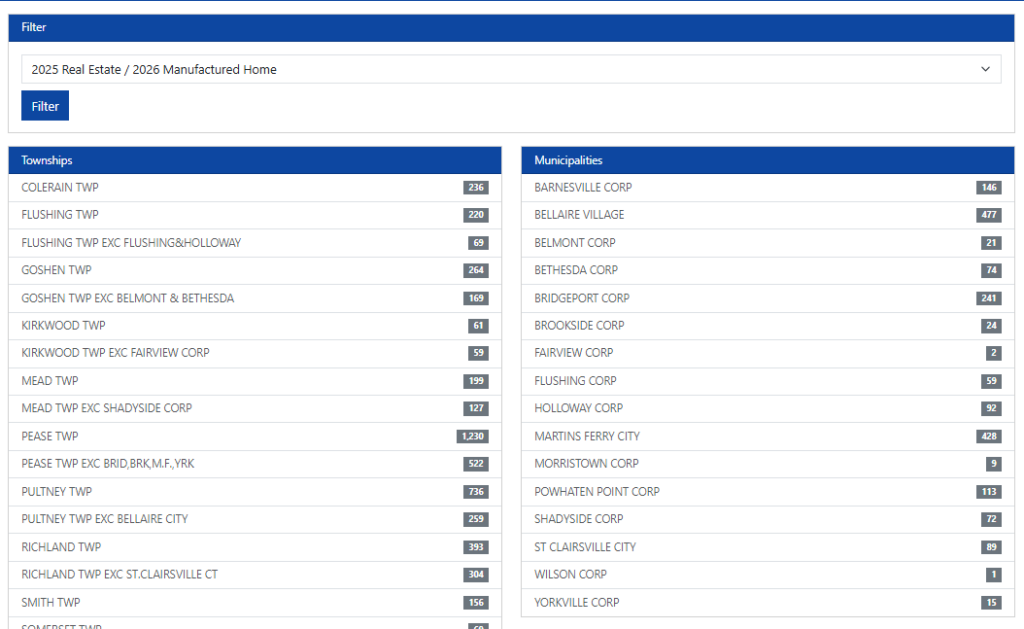
- Visit the official https://belmontcountyauditor.org/DelinquentList
- Enter the parcel number, owner name, or property address.
- Review the property tax balance and confirm the tax year.
- Select a payment method such as credit card, debit card, or bank transfer.
- Enter billing details and submit the payment.
- Save or print the online payment receipt for records.
Online payments offer several benefits:
- 24-hour availability during the tax season
- Immediate payment confirmation
- No need to travel to the county office
- Quick review of property tax balance
Some systems charge a small service fee for card transactions. The exact fee appears before the final confirmation page.
Payment by Mail
Many property owners still choose mail payment for the property tax payment in Belmont County. This method works well for taxpayers who prefer sending a check or money order. The county typically mails tax bills before each payment period. The bill contains the parcel number, tax amount, and tax due date.
Mailing Instructions
Follow these steps for accurate processing:
- Write a check or money order for the exact tax amount.
- Make the payment payable to the Belmont County Treasurer.
- Include the payment stub from the tax bill.
- Write the parcel number on the check memo line.
Mailing Address
Property tax payments by mail normally go to the county treasurer’s office:
- Belmont County Treasurer’s Office
- 101 West Main Street
- St. Clairsville, Ohio 43950
Envelope tips help speed up processing:
- Use the return envelope provided with the tax bill if available
- Place the payment stub inside the envelope
- Avoid sending cash through the mail
Mail payments must reach the treasurer’s office before the tax due date printed on the bill. Many taxpayers mail payments several days early to allow delivery time. Once processed, the county records the payment in the property tax system. Taxpayers who need proof of payment can request a receipt from the office.
In-Person Payments
Property owners can visit the county office to complete a Belmont County tax payment directly with staff. This option helps taxpayers who want immediate confirmation or need help with payment questions. The Belmont County Treasurer’s Office accepts several payment types at the service counter.
Accepted Payment Types
Most offices accept:
- Cash
- Personal check
- Money order
- Credit card or debit card
Some card payments may include a processing fee from the payment provider.
Office Location and Hours
Taxpayers can visit the treasurer’s office during regular business hours.
- Belmont County Treasurer’s Office
- 101 West Main Street
- St. Clairsville, Ohio 43950
Typical office hours:
| Day | Office Hours |
|---|---|
| Monday | 8:30 AM – 4:30 PM |
| Tuesday | 8:30 AM – 4:30 PM |
| Wednesday | 8:30 AM – 4:30 PM |
| Thursday | 8:30 AM – 4:30 PM |
| Friday | 8:30 AM – 4:30 PM |
Staff members process the payment and provide a printed receipt. Many property owners keep this receipt with yearly tax records.
Property Tax Due Dates and Billing Schedule
Belmont County property tax bills follow a set payment calendar each year. Most property owners pay in two installments, with one payment due early in the year and the second later in the year. The county auditor and treasurer release tax bills based on the official billing schedule, which lists each tax due date and payment period. Property owners receive statements showing the amount owed, installment options, and the final payment deadlines. Paying by the listed date prevents late fees and keeps tax records in good standing. A clear tax calendar helps property owners plan payments across the year. Each billing cycle reflects property assessments, local tax rates, and levies approved by voters.
Belmont County Property Tax Calendar
The following table presents a typical property tax billing schedule used in Belmont County. Exact dates may change each year slightly based on the county calendar.
| Billing Event | Approximate Date | Details |
|---|---|---|
| Tax Bill Issued | January | Property tax statements mailed to property owners |
| First Half Payment Deadline | February | First installment payment due |
| Second Half Tax Bill Reminder | May–June | Property tax statements are mailed to property owners |
| Second Half Payment Deadline | July | Final installment payment due |
| Delinquent Status Begins | Payment reminder for the remaining balance | Late fees may apply to unpaid balances |
These payment deadlines appear on the tax bill mailed to the property owner. The statement lists parcel details, total tax amount, installment balance, and accepted payment methods.
Installment Payment Options
Belmont County property taxes often allow two installment payments during the year. This option spreads the total tax balance across two scheduled due dates.
Common installment structure:
- First installment: Half of the yearly tax amount
- Second installment: Remaining balance due later in the year
This system helps property owners manage yearly property tax obligations without paying the full amount at once.
Points about installment payments:
- Each payment must arrive by the listed tax due date
- Missing a deadline may trigger late penalties or interest
- Early payments remain accepted before the deadline
- Mortgage companies may pay taxes through an escrow account
Some lenders collect property taxes through monthly mortgage payments. In that case, the lender sends the payment to the county treasurer based on the county billing schedule.
Late Payments and Delinquent Taxes
A missed payment deadline places the account in delinquent status. Late charges may apply until the balance clears.
Typical outcomes for unpaid taxes include:
- Penalty interest is added to the balance
- Delinquent tax listing in county records
- Possible tax lien process after extended nonpayment
Property owners who face payment issues often contact the county treasurer’s office to ask about payment arrangements or balance details.
Consequences of Late Payment
Late property tax payments in Belmont County result in delinquent taxes, tax penalties, and added interest, increasing the total amount owed and possibly triggering collection actions. Property owners who miss a due date may see their account move into overdue property tax status, where monthly interest and late fees apply, and long-term non-payment could lead to a tax lien or foreclosure. To prevent penalties, residents should track tax due dates, pay on time through online or mailed payments, consider installment options if available, confirm receipt, and communicate early with the county treasurer’s office to manage any issues before charges accumulate.
Penalty Rates and Interest on Delinquent Taxes
When property taxes go unpaid, the county adds late fees, interest, and potential collection costs to the base balance, which continues to grow until the account is settled. Interest is applied monthly, and delinquent taxes remain attached to the property rather than the owner, sometimes appearing on public records until paid. Reviewing delinquent notices carefully shows the total owed, including the original tax, accrued interest, and penalties, helping property owners act quickly to minimize additional costs.
Steps to Avoid Becoming Delinquent
Avoiding delinquent taxes requires proactive management of payments, including tracking due dates, paying early, using online portals, or taking advantage of installment plans. Property owners should also ensure their mailing address is current to receive bills promptly and confirm that payments are processed, reducing the chance of late fees. Early contact with the Belmont County Treasurer’s Office can help resolve potential issues, maintain a clean tax account, and protect the property title from liens or legal collection actions.
What Your Payment Receipt Shows
A payment receipt confirms that a property tax payment for a parcel in Belmont County has been recorded. It acts as proof of payment and shows key details about the transaction and the property account. Property owners receive a receipt after completing a property tax payment Belmont County transaction online, by mail, or at the county office. This document records the payment and helps track tax history for future reference.
Details Included on a Property Tax Payment Receipt
A Belmont County tax receipt contains several pieces of information that confirm the payment and connect it to the correct property account. These details help property owners verify that the county recorded the payment correctly.
Common information found on a receipt copy includes:
- Parcel number linked to the property
- The owner’s name is listed on the tax record
- Payment amount submitted for the tax bill
- Payment date recorded by the county system
- Tax year or billing period covered by the payment
- Payment methods such as online card payment, check, or in-person payment
- The transaction or confirmation number is used for record tracking
| Receipt Field | What It Shows |
|---|---|
| Parcel Number | Identifies the taxed property |
| Owner Name | Name on the tax account |
| Payment Amount | Total tax paid |
| Payment Date | Date the county recorded payment |
| Confirmation Number | Reference number for the transaction |
This information verifies that the correct property tax bill was paid and recorded.
Keeping Your Property Tax Receipt for Records
A payment receipt serves as official confirmation that taxes were paid. Property owners often keep copies for financial records and tax documentation.
Good record-keeping habits include:
- Save a digital receipt copy after an online payment
- Print a paper copy for physical files
- Store receipts with yearly property tax statements
- Keep records for several tax years for reference
These documents may help during tax preparation, property sales, or payment verification. If a payment question appears later, the proof of payment can quickly confirm the transaction.
(FAQs) About Property Tax Payment and Due Dates
Belmont County property taxes can be paid online, by mail, or in person. Payments are due according to the county’s annual billing schedule, and late payments may incur penalties. Homeowners should check their statements carefully and use the correct parcel number to ensure payments are applied accurately. The county provides multiple options to make paying taxes convenient and timely.
How do I pay my property taxes in Belmont County?
Property tax payment: Belmont County residents can pay online through the official auditor portal, by check in the mail, or in person at the auditor’s office. Online payments are fast and provide immediate confirmation. Mail payments may take several days to process, so it’s best to send them early. Some local banks may also accept payments, but processing times vary. Always include your parcel number to avoid errors.
When is my property tax due in Belmont County?
Belmont County taxes follow a set billing schedule, usually in two installments: the first half due by January 20 and the second half by July 20. Dates may shift slightly if they fall on weekends or holidays. Checking the auditor’s official tax calendar helps homeowners stay on track. Timely payment prevents penalties and keeps tax records current. Planning ensures bills are paid on time.
What happens if I miss the due date?
Missing a property tax due date can lead to delinquent taxes, including interest and penalties on the unpaid balance. Continued nonpayment may result in liens or even property auction in extreme cases. Homeowners should contact the auditor’s office if they face financial hardship. Paying early, using online or in-person options, reduces the risk of added charges. Following the billing schedule helps avoid complications.
Can I pay my property taxes online anytime?
Yes, Belmont County tax payments can be made online 24/7 using the official auditor portal. The system accepts credit cards, debit cards, and e-checks. Online payments give instant confirmation, which helps avoid late fees. Homeowners should keep a copy of the receipt for their records. Technical issues are rare, but contacting the auditor’s office ensures assistance if needed.
Are there any payment plans for property taxes?
Belmont County offers installment options for property tax payment in some cases, depending on the type of property and total amount owed. Splitting payments helps manage larger tax bills without incurring penalties. Homeowners should contact the auditor’s office to confirm eligibility and schedule. Using approved payment methods ensures the plan is correctly recorded. Staying proactive prevents delinquent taxes from accumulating.